Advancing disability sport inclusion in Tasmania
In 2003, I began a six-year journey as Manager of the Tasmanian Sport and Recreation Association for People with Disability (TASRAD). At the time, TASRAD was a small NGO delivering sport and recreation opportunities for people with disability. We were also contracted to roll out the Australian Sports Commission’s Disability Education Program, which incorporated a suite of six modules. These courses were grounded in the social model of disability. It had recently replaced the previous education program for sport providers, which focused on specific impairments (e.g., how to coach athletes with cerebral palsy).
The 2000 Paralympics brought a shift in how disability sport was perceived, and so I arrived on the scene at a time of change. Questions were being asked: Why shouldn’t people with disability be able to play sport at their local club, like everyone else?
At TASRAD, we leaned into that question. Over time, we shifted our role from directly delivering disability sport programs to supporting mainstream sport to become more inclusive. That meant:
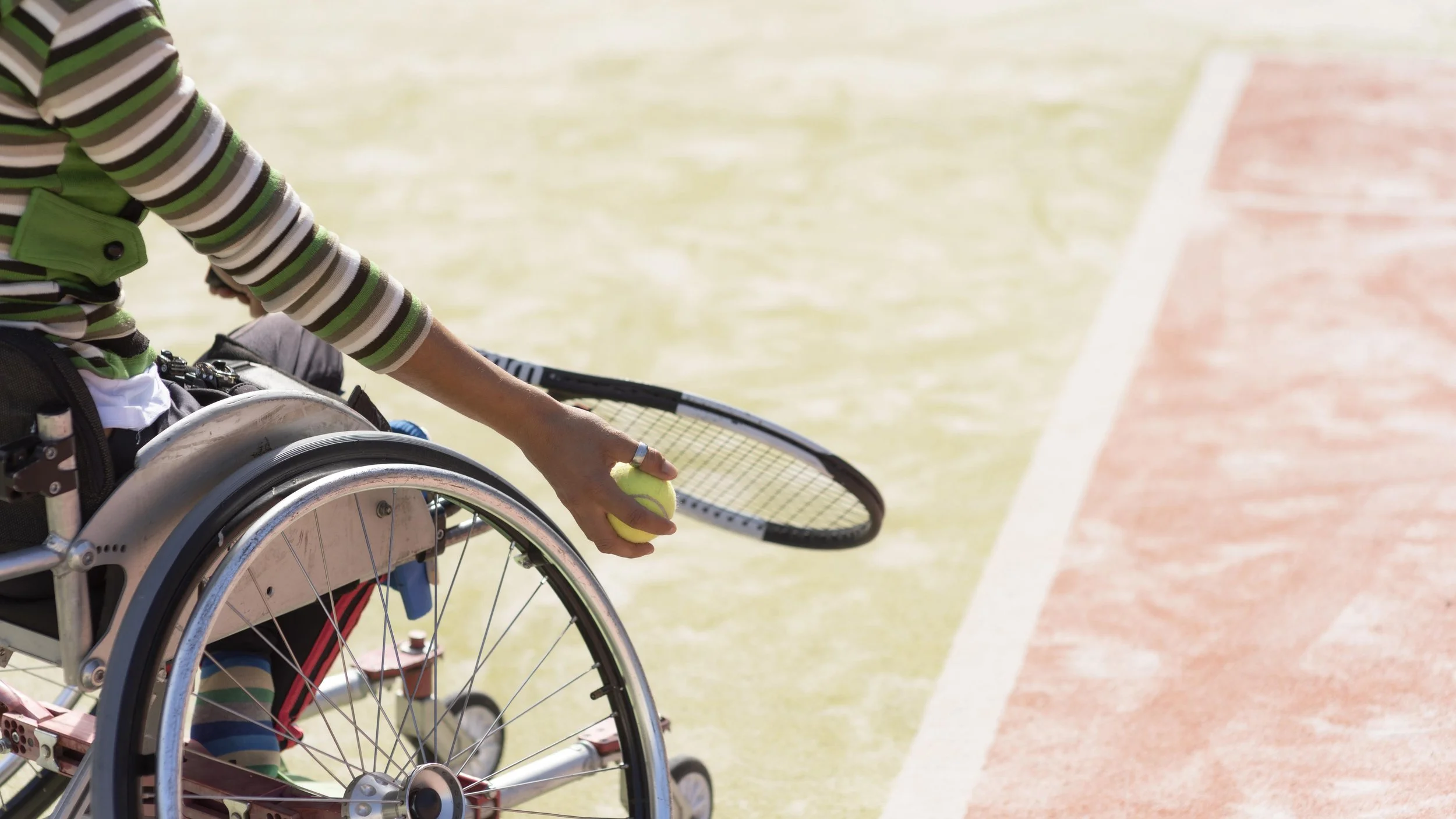
Partnering with state sporting associations and local clubs, so they, as the sport experts, could lead inclusive programming. For example, rather than TASRAD running wheelchair tennis, we supported Tennis Tasmania to help local clubs be inclusive, alongside building their wheelchair tennis pathways.
Embedding the social model of disability in our training and advocacy, helping sport providers understand that barriers are created by systems, not by people’s bodies.
Promoting the TREE framework (Teaching style, Rules, Equipment, Environment) as a practical way to design more inclusive sporting environments.
This work transformed my understanding of disability and inclusion. It deepened my belief that systemic change is not about adding something extra; it's about shifting mindsets, environments, and practices so that everyone can take part, meaningfully.